
Bubble nets hmmm… You mean, the small nets that you blow bubbles through? The ones you used to love playing with when you were a kid? No, unfortunately not.
Researchers. Scientists. People. They are the ones that are finding new ideas, new creations, new solutions to all questions and wonders we pose to the world.
Climate change and global warming is a hot topic right now and it is getting hotter. We all know what it is and how this generation is the one to suffer and untangle the mess (if we can!). Ecosystems simply shape our environment. Without them we wouldn’t be here. There would be no trees to help us breath. No food to help us eat. No water to help us drink. No nothing. No us. As a strong believer in environmental stability and care, I place a lot of value on the animals that make up these complex ecosystems – the humpback whale for example.
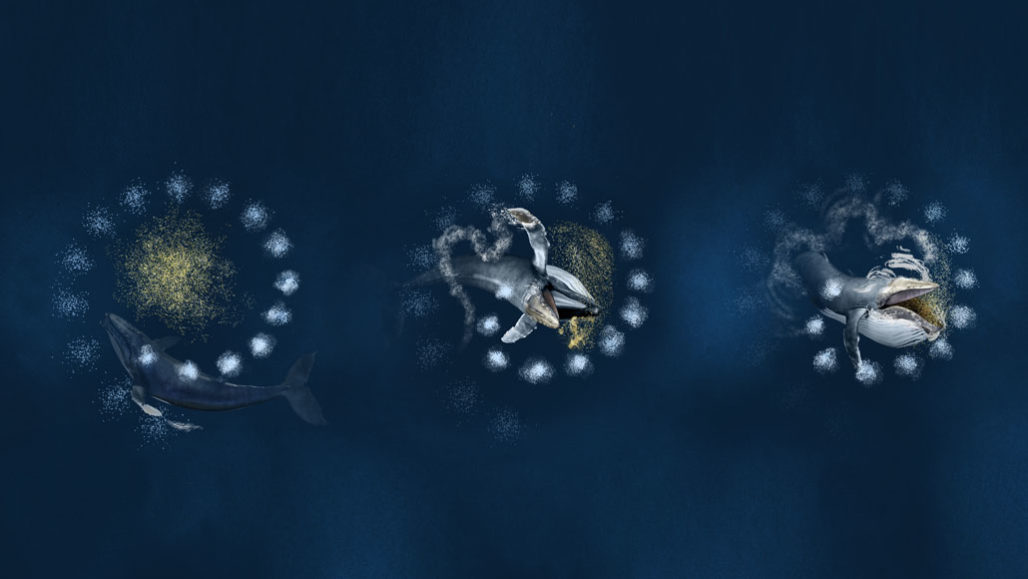
The humpback whale also identified as Megaptera novaeangliae are large animals that need to eat a lot. They commonly feed by opening their large mouths and lunging towards fish catching any in its mouth on the way. Alternatively, the whales may swim in an upwards spiral blowing great big bubbles as they go. This creates a “circular net” of bubbles making it harder for the already trapped fish to escape.
Once the bubble net is made the whales will then splash their pectoral flippers upwards from the deeper water to secure the netting barrier and direct fish towards the whales mouth. Below is a video of what has been explained.
The humpback whale is just one of many organisms that has a fascinating and unique mechanism that enhances survival and its position in the food web/ ecosystem.
Referenced from:
sciencenews.org/article/humpback-whales-bubble-nets
 Science Scholars 2019